Digital Transformation, ESG, and Technology-Driven Accounting
£850.00
Training Overview
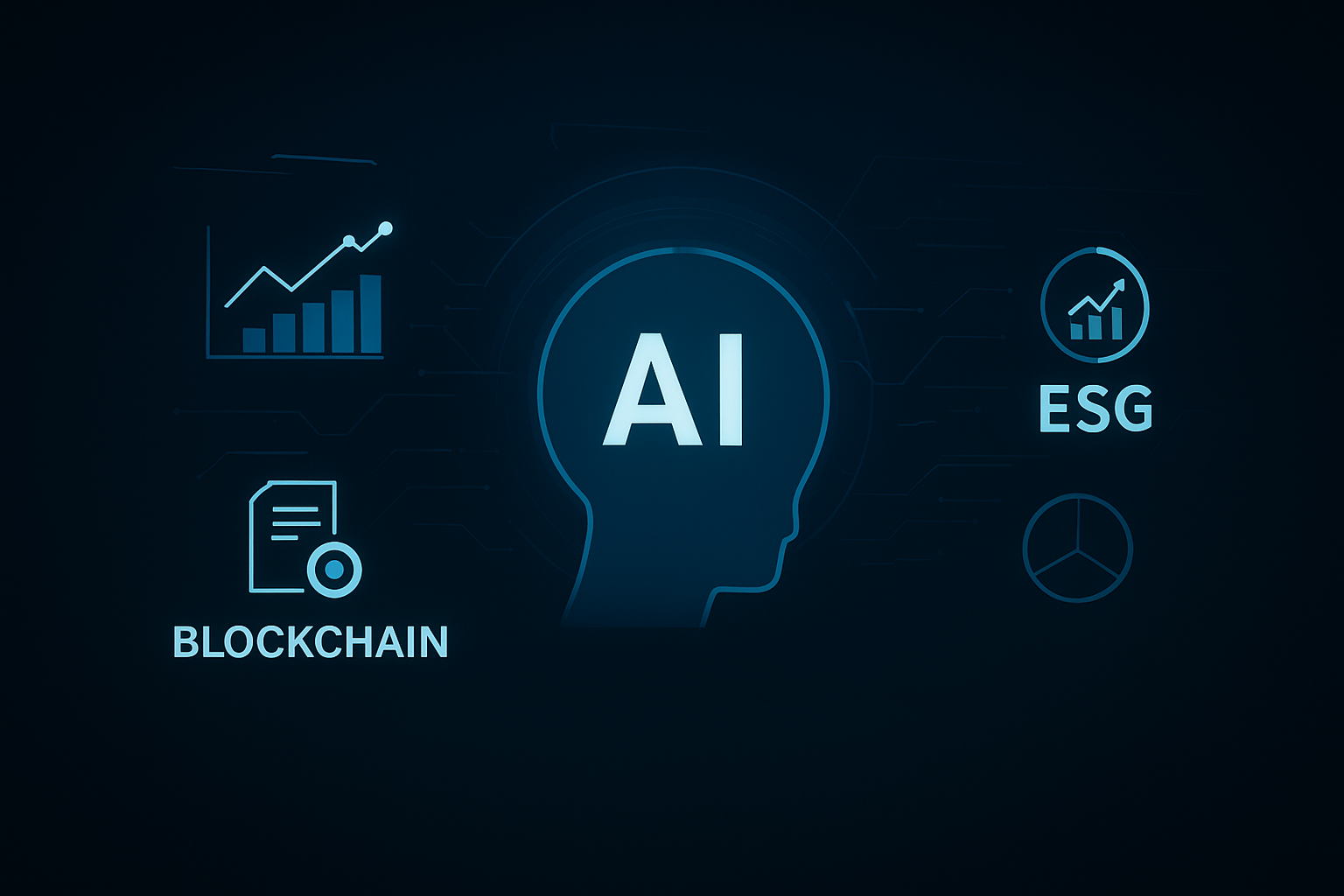
This 4-day course explores the convergence of accounting, technology, and sustainability. Participants will learn how digital transformation and ESG (Environmental, Social, and Governance) principles are reshaping modern financial management, reporting, and operational efficiency. The training integrates AI, automation, blockchain, and data analytics with ESG frameworks to ensure participants gain both technical and ethical competence in forward-thinking financial operations.
Note (General Daily Guide):
Each training day runs from 8:30 am to 3:46 pm, with four structured sessions — Morning, Midday, Afternoon, and Closing — covering foundational, intermediate, advanced, and practical learning.
Day 1: The Digital Accounting Landscape
Session 1: Introduction to Digital Transformation in Accounting
Evolution from traditional to digital accounting systems
Key technologies shaping the industry (AI, cloud, blockchain)
Strategic importance of digital adoption for outsourcing firms
Session 2: Technology Architecture and Cloud Systems
Cloud-based accounting infrastructure and data flows
Integrating APIs for cross-platform financial automation
Security and GDPR considerations in cloud environments
Session 3: Software Ecosystem for Modern Accounting
Overview of leading tools (Absolute Accountancy (AA), QuickBooks Online, Xero, Sage, Zoho)
OAE’s proprietary technology integration framework
Selecting and customising digital platforms for clients
Session 4: Practical Session — Digital Migration Simulation
Setting up and migrating sample accounts to a cloud platform
Troubleshooting digital workflow challenges
Discussion on cost-benefit and scalability of transformation
Day 2: Data, Analytics, and Artificial Intelligence
Session 1: Data Management and Analytics Foundations
Understanding structured vs unstructured accounting data
Building data pipelines for financial analytics
Data quality, integrity, and control mechanisms
Session 2: Predictive and Prescriptive Analytics
Forecasting using AI and machine learning tools
Decision support systems and KPI dashboards
Applying analytics to management accounting and budgeting
Session 3: Robotic Process Automation (RPA) in Finance
Automating repetitive accounting and compliance tasks
Workflow design and exception handling
Case study: automation of VAT, payroll, and reconciliation
Session 4: Application Workshop — AI and RPA Tools
Implementing an AI-based reconciliation exercise
Analysing results for efficiency and risk control
Discussion on ethical boundaries in automation
Day 3: ESG Integration and Sustainable Finance
Session 1: Understanding ESG Principles and Frameworks
Environmental, social, and governance dimensions of business
Key ESG reporting frameworks (GRI, SASB, TCFD)
Aligning corporate strategy with sustainability objectives
Session 2: Accounting for ESG-Related Transactions
Recording and reporting carbon credits and green investments
Accounting for social initiatives and community programmes
Disclosure requirements and assurance of ESG data
Session 3: Risk and Opportunity in ESG Implementation
Managing ESG-related financial and reputational risks
Integrating sustainability metrics in management accounting
Linking ESG with long-term financial performance
Session 4: Practical Session — ESG Report Development
Drafting an ESG report for a case organisation
Using technology tools for ESG data aggregation
Peer review and improvement discussion
Day 4: Future-Ready Accounting and Digital Ethics
Session 1: Blockchain, Smart Contracts, and Digital Assurance
Blockchain fundamentals and relevance to accounting
Smart contracts for automated financial transactions
Auditing in distributed ledger environments
Session 2: Cybersecurity and Digital Governance
Identifying and mitigating cyber risks in accounting systems
Establishing internal cybersecurity frameworks
Legal and compliance obligations under GDPR and ISO 27001
Session 3: Future Trends and Strategic Innovation
Quantum computing, digital currencies, and DeFi implications
Evolution of AI-driven auditing and assurance
The accountant’s role in a technology-enabled world
Session 4: Final Integration and Certification
Group exercise: building a digital and ESG-aligned financial model
Presentation and evaluation of transformation strategies
Certification ceremony and closing reflections